

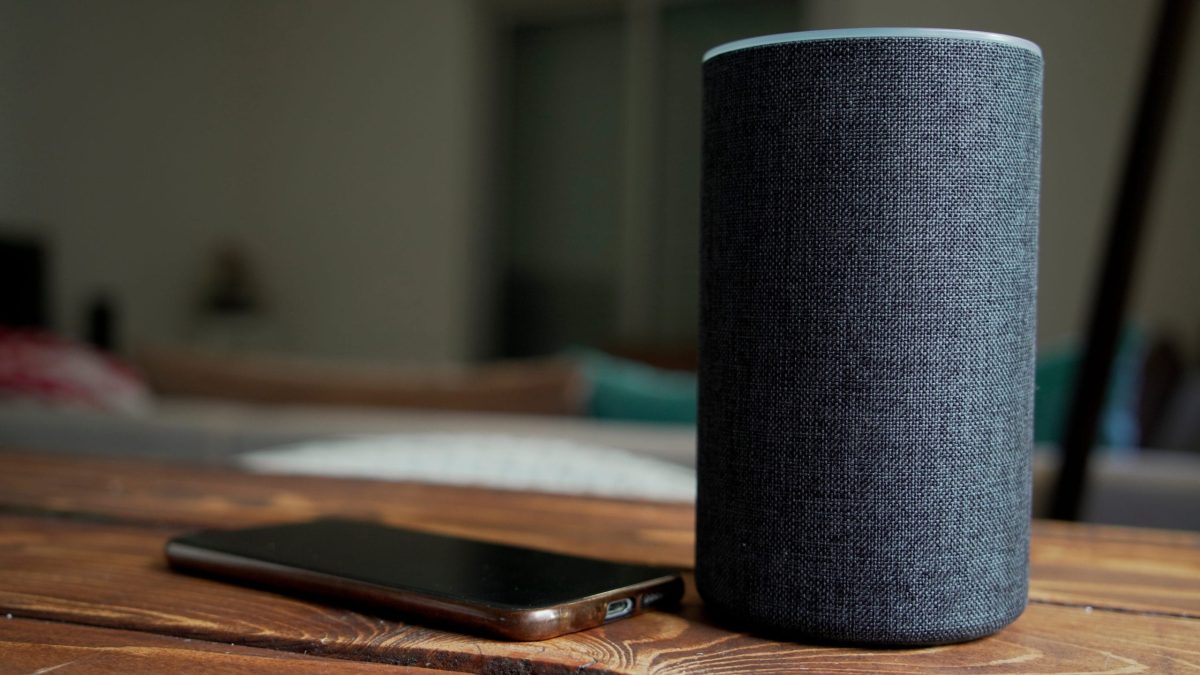
I remember the first stretch when a smart speaker felt magical in my home. I could walk into the kitchen, ask for a favorite album and get instant sound while I made coffee or answered emails. For a while, that was enough. I called it convenience and I barely questioned it.
Then a funny thing happened. The more I cared about the music, the less I wanted to hear it through that speaker. I noticed it late at night first. I would put on a record I loved, then reach for my phone two songs later because I wanted better control, better sound, or a more private way to listen.
There was also a habit problem on my side. I kept telling myself I was using the easiest setup, but I was constantly interrupting the experience. I asked for volume changes. I corrected song names. I skipped tracks by voice when a quick tap would have done it faster. That friction added up in small ways and music started to feel like one more task.
Over time, I started treating the smart speaker like a household tool instead of my main music device. It still handles timers, weather updates and quick background playlists when people are over. My actual listening moved somewhere else. It went to my phone, my headphones and the speakers I picked because I enjoy hearing details.
If you feel like your music has become flatter or more disposable, you may be dealing with the same thing. A lot of us slide into a setup because it is nearby. Then we stay there long after it stops being the best fit. That was me and it took longer than I want to admit to notice.
1. My Phone Already Did The Control Part Better
I admit this one surprised me because control is supposed to be the whole pitch. You ask for a song and it plays. You ask for the next track and it skips. In real life, I still ended up holding my phone almost every time I cared about what happened next.
When I wanted the live version of a song, the smart speaker often picked the studio cut. When I wanted track seven from a specific album, I got a remix, a radio edit, or a clean version from a different release. Those little misses sound harmless until they happen every other day. Then they start pulling you out of the moment.
Your phone solves a lot of that because it shows you the whole context. You can see the queue. You can jump to an artist page. You can save an album for later. You can move from your earbuds to a Bluetooth speaker in seconds. A touchscreen also gives you precise playback control, which matters more than people think when you are building a mood.
On the software side, phones have become great media remotes. Browsers and apps can surface playback info and media controls across lock screens, headsets, remotes and hardware keys. The W3C Media Session specification describes that kind of behavior, including playback metadata and media key support. That helps explain why a phone often feels so natural as the center of your listening setup.
The thing is, music control works best when it fades into the background. I found myself enjoying albums more once I stopped talking to a speaker and started tapping a screen that already knew what I meant. There was less translation. There was less waiting. There was more listening.
Sometimes the easiest upgrade is simply using the device that already travels with you. A phone gives you lock screen controls, app-level settings and an easy way to switch outputs. That combination makes it a better command center for music than a voice-first speaker in many homes.
2. A Single Speaker Flattened Too Much Of My Music
I noticed this during an ordinary afternoon at my desk. A song I had heard a hundred times came on through headphones instead of the smart speaker in the next room. Suddenly there was space around the instruments. A backing vocal floated in from one side. The bass felt tighter. I sat there thinking, wow, I have been leaving a lot on the table.
Compact smart speakers are designed to fill a room politely. Many of them do that job well. They push sound outward, smooth over rough edges and try to make everything pleasant at low effort. For casual listening, that can be fine. For music detail, it often means you lose separation, depth and some of the energy that makes a recording feel alive.
A single speaker also changes how stereo information reaches your ears. When left and right channels are folded together or simulated by a small enclosure, the soundstage shrinks. Vocals, percussion and layered guitars can feel piled into the same spot. If you switch to headphones or a real stereo pair, you hear how much placement shapes a song.
Years ago, I would have shrugged at that and said background music is background music. Now I know my listening changes with the gear. I play better albums when I can hear texture. I sit with songs longer when the arrangement opens up. A little bit of width goes a long way.
You do not need expensive hardware to hear the difference. Even a modest pair of wired headphones can reveal stereo separation and subtle details that disappear on a small voice assistant. If music matters to you, giving it a better path to your ears can make old favorites feel fresh again.
3. Voice Requests Kept Interrupting The Mood
I remember trying to build a mellow evening playlist by voice and feeling oddly bossy in my own living room. Every request had to be spoken clearly. Some artist names needed a second try. A few album titles sent the assistant in the wrong direction. By the time the right song played, the atmosphere had already changed.
Voice control shines when your hands are full. I still appreciate it when I am cooking or carrying laundry. It gives you hands-free playback and that can be genuinely useful. The problem for me showed up during longer sessions, when choosing music became a conversation instead of a quiet action.
There is a simple reason for this. Human listening habits are messy. You might want the acoustic version of one track, then jump to a playlist, then save a song, then lower the volume by a tiny step. A voice assistant can handle some of that. A touchscreen handles it with far less friction because you can scan choices and act instantly.
But boy, was I slow to admit that. I kept trying to force the smart speaker into a role it never handled gracefully for me. I would stand there repeating a request, then cave and use my phone anyway. After enough rounds of that, the whole thing started to feel silly.
There is also the social side. Speaking commands out loud changes the mood when other people are around. Sometimes you want music to feel woven into the room. A quiet tap on your phone keeps the flow moving. It supports friction-free listening in a way a spoken command rarely does.
If you mainly use music as a soundtrack to your day, mood matters. Tiny interruptions can chip away at that feeling. Once I realized how often voice requests broke my concentration, I understood why I kept drifting back to private, silent controls.
4. My Music Life Did Not Stay In One Room
For a while, I kept trying to make one room the center of everything. The speaker lived on a shelf, so that shelf became the default place for listening. Then real life would happen. I would start a playlist at breakfast, continue it while working and want the same album on a walk an hour later. The room stayed put. I did not.
That is where a phone quietly wins. It is already with you and your music library moves with it. You can start with earbuds, switch to the car, then send audio to a speaker on the patio. That kind of device switching fits modern listening better than a speaker that belongs to one corner of the house.
Portable listening also changes your relationship with playlists and albums. You are more likely to finish what you started when the session can travel. You are more likely to save a thought, replay a section, or pick up where you left off. That continuity matters because music often follows the shape of your day.
My own routine made this obvious once I paid attention. I would ask the smart speaker to start something in the kitchen, then move three rooms away and lose interest. The music stayed back there like furniture. When I switched to my phone, the soundtrack came with me and felt more personal.
A lot of tech choices improve simply because they match your actual behavior. If you move through your home, commute, or take walks with audio, a fixed speaker covers only a slice of your listening. A phone or portable speaker supports whole-home listening in a more flexible way, even without a complicated setup.
5. I Became More Aware Of The Tradeoff
It took me a long time to notice this because the convenience was so easy to enjoy. The speaker was always there, always waiting, always ready for a command. Then I started to appreciate how much calmer my space felt when fewer always-listening devices were involved in my music routine.
This is partly emotional and partly practical. A smart speaker uses microphones so it can react when you call for it. That design supports voice features, but it also changes the feel of a room. Some people are comfortable with that all the time. I found that I preferred a more private listening setup when I was settling in with music at night.
I do not mean that every home needs a purge of connected gadgets. Plenty of people love their assistants and use them happily. My shift was more personal than ideological. I simply enjoyed music more when the hardware felt quieter in every sense of the word.
One evening made it click for me. I was sitting with a pair of headphones, phone face down and a full album playing from start to finish. No wake word. No accidental activation. No stray command from across the room. The experience felt calmer and that calm turned into attention.
Sometimes the best tech choice is the one that disappears fastest. A basic pair of headphones or a simple Bluetooth speaker gives you sound without asking much in return. That can make music feel like an activity again instead of a feature inside a larger smart home system.
6. I Enjoyed Music More When I Chose The Right Tool
Once I stopped trying to make one gadget do everything, my setup got simpler. I use headphones when I need focus. I use a small stereo pair at my desk when I want a room to open up. I use a portable speaker outside. The smart speaker still has a place, but it handles quick chores better than it handles serious listening.
That change taught me something useful about consumer tech in general. We often buy a device because it sounds universal. Then our real habits reveal a narrower truth. Hardware works best when it matches the moment. Music is a great example because the right tool depends on whether you want focus, convenience, portability, or room sound.
My smart speaker now plays timers, short news updates and the occasional casual playlist when family or friends are around. For albums I care about, I reach for gear that gives me better sound quality and better control. That small decision changed how often I listen on purpose.
If you want to test this for yourself, try a simple one-week experiment. Use your phone as the center of your music. Spend one evening with headphones. Spend another with a stereo pair if you have one. Pay attention to how often you skip tracks, how long you listen and whether you feel more connected to the music.
You may find that your smart speaker still earns its spot. Plenty of them are good at filling a room with casual sound. You may also realize, like I did, that your favorite songs deserve more than convenience. They deserve the setup that makes you stop multitasking for a minute and actually hear them.
In the end, I did not give up on smart speakers completely. I just gave them a smaller role. That has been great for my ears, great for my attention and great for the simple joy of pressing play with intention. For me, that became the whole point of listening again.